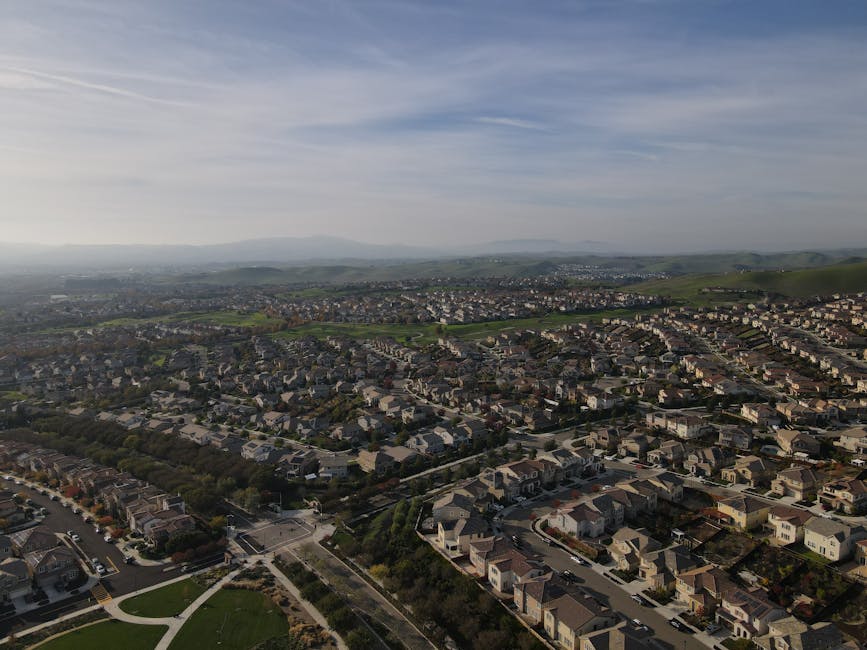
Folsom's housing market demonstrated notable strength in March 2026, with the median home price reaching $799,000—a 3.1% increase from the same month last year. The price appreciation came alongside a significant surge in sales activity, as 349 homes changed hands compared to 242 in March 2025, representing a 44% jump in transaction volume.
The combination of rising prices and increased sales suggests a market where demand is outpacing the typical seasonal patterns. Unlike markets where price gains occur amid declining sales—often a sign of limited inventory rather than genuine demand—Folsom's dual increase indicates buyers are actively competing for available properties even as prices climb.
For current homeowners, the March figures translate to continued equity growth. A property purchased at the March 2025 median of approximately $775,000 would have gained roughly $24,000 in value over the past year, assuming it tracked with the median. This appreciation rate, while modest compared to the pandemic-era surges, represents steady wealth accumulation in a more normalized market environment.
Prospective buyers face a different calculation. The year-over-year price increase means that a home requiring a 20% down payment now demands roughly $4,800 more upfront than it would have a year ago. Monthly mortgage payments on a median-priced home have similarly increased, though the impact varies depending on individual financing terms and current interest rate conditions.
The 44% increase in sales volume is particularly noteworthy given that March typically marks the beginning of the spring selling season. This early momentum could indicate pent-up demand from buyers who delayed purchases during previous months, or it may reflect improved confidence in the local economy and job market. Folsom's proximity to major employment centers in the Sacramento region and its reputation for strong schools continue to make it attractive to families and professionals.
Sellers who listed properties in March benefited from both the increased buyer activity and the upward price pressure. Homes that might have sat on the market longer in a slower period likely received more showings and potentially multiple offers, giving sellers greater negotiating leverage.
The data also provides context for homeowners considering refinancing or tapping home equity. With property values up 3.1% year-over-year, many homeowners have gained additional equity that could be leveraged for renovations, debt consolidation, or other financial needs. However, any such decisions should factor in current lending rates and individual financial circumstances.
Looking ahead, the March figures set a baseline for the critical spring and summer selling months. If sales volume continues at this elevated pace while inventory remains constrained, further price appreciation is likely. Conversely, if more sellers enter the market in response to strong demand, the increased supply could moderate price growth while maintaining healthy transaction volumes. Buyers and sellers alike should monitor whether April and May data confirm March's momentum or represent a temporary spike in activity.