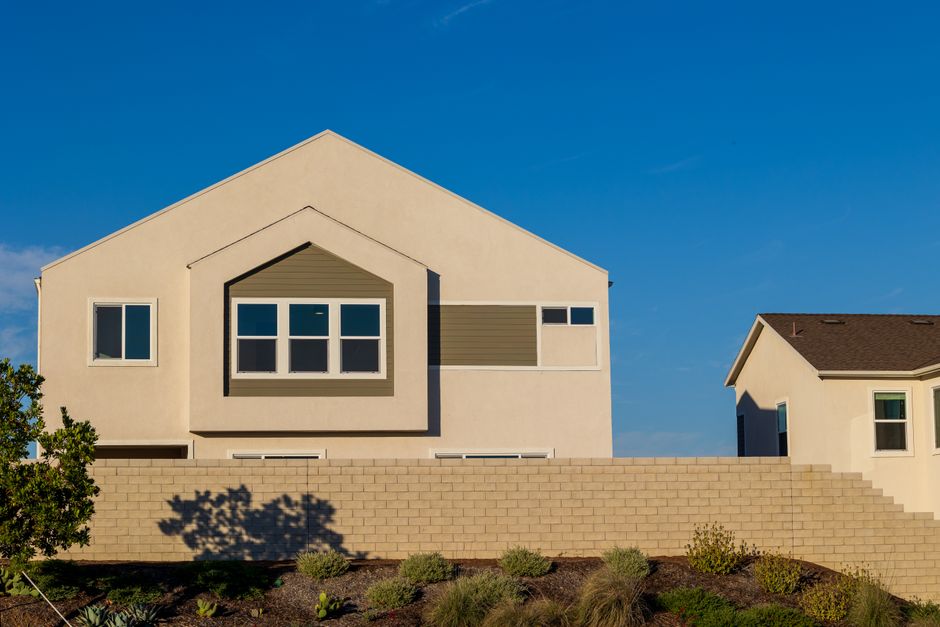
For months, Lisa Chen had watched her Folsom neighborhood sit eerily quiet, with "For Sale" signs lingering on lawns far longer than she remembered from years past. Then, last spring, something shifted. Houses started moving again. Neighbors who had hesitated to list suddenly found buyers. The stillness gave way to activity, and by year's end, the numbers told a story that many homeowners had felt but couldn't quite quantify: Folsom's housing market was waking up.
Single-family home sales in Folsom climbed to 742 in 2024, up from 653 in 2023, marking a 14% increase in transaction volume, according to MLS data. This uptick matters to local homeowners because it indicates a more active market with stronger buyer demand, which could affect home values and selling timelines. Homeowners considering selling should monitor whether this momentum continues into 2025, while buyers may face increased competition for available properties.
The surge represents a notable reversal from the sluggish pace that characterized much of 2023, when higher mortgage rates and economic uncertainty kept many potential buyers on the sidelines. Nearly 90 additional families found homes in Folsom last year compared to the year prior, a tangible measure of renewed confidence in the local market. For homeowners who had been waiting for the right moment to sell, the data suggests that buyer appetite has returned in meaningful numbers.
The momentum appears to have carried into early 2025, with March sales figures showing continued strength. Sixty-seven homes sold in Folsom in March 2025, up from 53 in March 2024, according to MLS records. That month-over-month comparison reinforces the year-over-year trend, suggesting the 2024 uptick wasn't a temporary blip but rather the beginning of sustained market activity.
For sellers, the implications are straightforward: more transactions typically mean shorter days on market and potentially stronger negotiating positions. When buyer demand rises, properties that might have languished in a slower market can move more quickly, and sellers may find themselves fielding multiple offers rather than waiting weeks for a single bid. The 14% jump in sales volume suggests that Folsom's market has shifted from a period of hesitation to one of action.
Buyers, meanwhile, face a different calculus. Increased sales activity often correlates with heightened competition, particularly in a market like Folsom where inventory remains constrained. More buyers chasing available homes can drive up prices and reduce the window for decision-making. Those who spent 2023 casually browsing listings may find that 2025 requires a more aggressive approach, with faster offers and fewer contingencies becoming the norm.
The broader context matters here. Folsom's housing market doesn't exist in isolation; it reflects regional trends in the Sacramento area and responds to national economic forces like mortgage rate fluctuations and employment patterns. The 2024 sales increase came during a year when rates remained elevated by historical standards, suggesting that local demand proved resilient even without the tailwind of ultra-low borrowing costs. That resilience speaks to Folsom's enduring appeal as a community—strong schools, proximity to employment centers, and quality of life continue to draw buyers willing to navigate higher financing costs.
Homeowners weighing whether to list should consider not just the sales volume but also the trajectory. A single year of growth doesn't guarantee continued momentum, but the early 2025 data suggests the trend has legs. Those who have been sitting on the fence, waiting for "the right time," may find that the market has already shifted beneath them. The question isn't whether activity has increased—it demonstrably has—but whether current conditions align with individual financial goals and timelines.
As Folsom moves deeper into 2025, the key variable to watch will be inventory. Sales can only rise so far if the supply of available homes remains tight. If more homeowners decide to list in response to the improved market conditions, the increased inventory could sustain transaction volumes without driving prices to unsustainable levels. Conversely, if inventory stays constrained while buyer demand continues to grow, the market could tilt even further in favor of sellers, making affordability a growing challenge for first-time buyers and those trading up.
The 14% sales increase tells Folsom homeowners something important: the market they knew in 2023 is not the market they're navigating now. Whether that shift represents opportunity or challenge depends on which side of the transaction you're on, but ignoring it isn't an option for anyone with a stake in local real estate.